First UNESCO recommendations to combat gender bias in applications using artificial intelligence

Beginning as early as next year, many people are expected to have more conversations with digital voice assistants than with their spouse. Presently, the vast majority of these assistants—from Amazon’s Alexa to Microsoft’s Cortana—are projected as female, in name, sound of voice and ‘personality’. ‘I’d blush if I could’, a new UNESCO publication produced in collaboration with Germany (link is external) and the EQUALS Skills Coalition (link is external) holds a critical lens to this growing and global practice, explaining how it: reflects, reinforces and spreads gender bias; models acceptance…

Read More

Nominate extraordinary female scientists for the 2020 L’Oréal-UNESCO For Women in Science Awards

Scientists from around the world are invited to nominate candidates for the 2020 L’Oréal-UNESCO For Women in Science awards. The awards will recognize the scientific accomplishments of five outstanding researchers in the Life Sciences, each working in one of the following regions: Africa and the Arab States, Asia-Pacific, Europe, Latin America & North America. Since its creation in 1998, the L’Oréal-UNESCO For Women in Science programme has distinguished 107 eminent women at the height of their scientific careers and supported more than 3,000 promising young women scientists from 117 countries…

Read More

‘WE ARE ABLE’ (Achieving Better Living and Education) – a new UNESCO initiative puts the voices of Ethnic Minority girls and women first

Together with its strategic partners, the Ministry of Education and Training and CJ Group (Republic of Korea), UNESCO announces the inception of ‘We Are Able’, a new three-year project, funded by the UNESCO Malala Fund for Girls’ Right to Education with financial support from CJ Group. The project aims to improve access and retention of ethnic minority children, especially girls in lower secondary school, and to improve employment opportunities for ethnic minority girls and women. Following the successful completion of the project ‘Gender Equality and Girls’ Education Initiative in Viet…

Read More

UNESCO launches a new simulation model for education

Hoping to improve their education systems, countries have used alternative policies and reform pathways aiming at boosting learning. However, results often fall short of the expectation. There are many reasons and among them is the lack of appropriately planned funding to ensure full implementation. Translating a vision into a reality is a complicated process and it certainly requires commensurate resources. What happens if we want to ensure free pre-school education for all? What happens if we want lower secondary education to become compulsory? What happens if we want to raise…

Read More

Stroke Association Launches Rebuilding Lives campaign

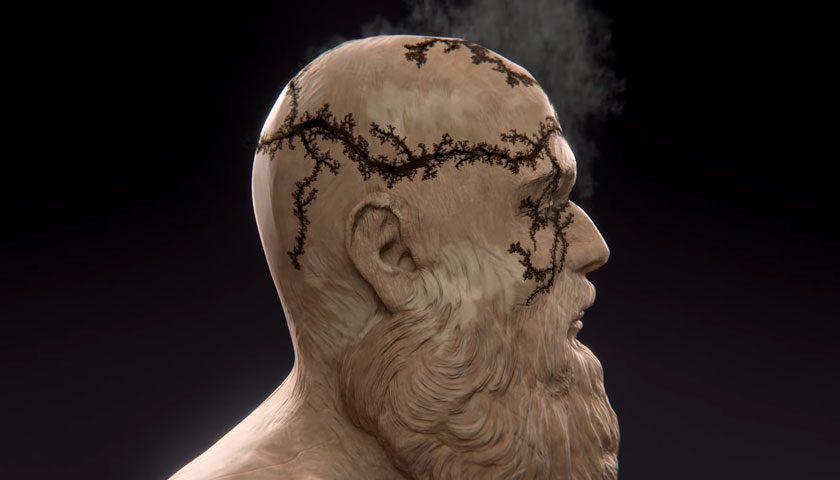
Every five minutes, stroke destroys lives. We can help rebuild them. When stroke strikes, part of your brain shuts down. And so does a part of you. That’s because a stroke happens in the brain, the control centre for who we are and what we can do. Life changes instantly. Dominic Brand, Executive Director of External Affairs at the Stroke Association has written a blog post where he goes into more details about the thoughts behind the campaign, which we have included below: Stroke is extremely common and yet remarkably…

Read More