Airbus A330 MRTT performs landmark air-to-air sustainable aviation refuelling mission

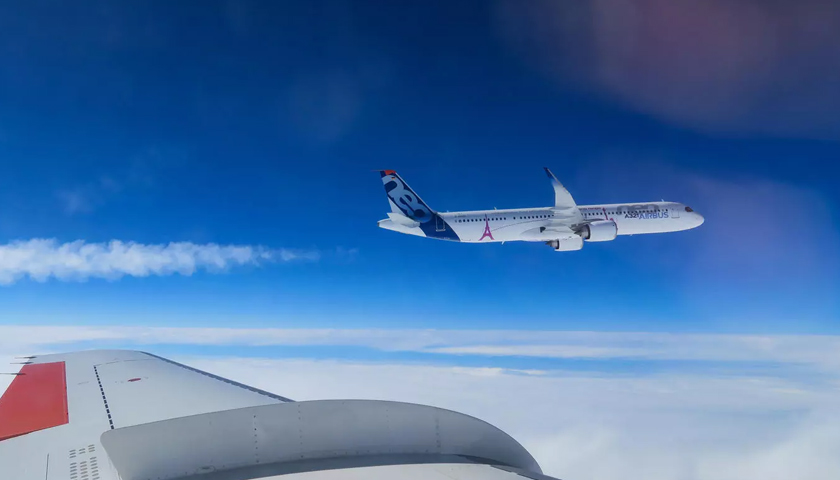
One-hundred years since the first ever air-to-air refuelling of an aircraft, the British Royal Air Force (RAF) has carried out a landmark in-flight refuelling exercise with blended sustainable aviation fuel (SAF) using an Airbus Multi Role Tanker Transport (MRTT) Voyager aircraft. On a crisp Spring morning in the Oxfordshire countryside, the RAF’s VIP Voyager – emblazoned with Union Flag tail and gold-lettered ‘United Kingdom’ livery – taxied on to the Brize Norton runway filled with 43% SAF. On board were UK Business and Trade Minister Nusrat Ghani MP, members of…

Read More

Queensland biofuel refinery to turn agricultural by-products into sustainable aviation fuel

The Qantas Group, Airbus and the Queensland Government are teaming up to invest in a Queensland biofuel production facility being developed by Jet Zero Australia in partnership with leading sustainable aviation fuel technology company LanzaJet.  The facility will turn agricultural by-products, including from sugarcane, into jet fuel and is the first project funded under the Qantas and Airbus Australian Sustainable Aviation Fuel Partnership. The Qantas Group and Airbus will jointly invest AUD$2 million (US$1.34 million) of an initial AUD$6 million (US$4 million) capital raising, with the Queensland Government contributing AUD$760,000…

Read More

Airbus’ most popular aircraft takes to the skies with 100% sustainable aviation fuel

Sustainable Aviation Fuel (SAF) is a key element for the future reduction of air transportation’s carbon footprint, and Airbus is continuing its testing of this bio-jet fuel with a new VOLCAN flight test campaign using the best-selling A320 Family aircraft. An A321neo took off recently from Airbus’ headquarters in Toulouse, France with both of its engines powered by 100% unblended SAF. Since the end of February, the aircraft is being closely followed by a data-collecting aeroplane with the mission to gather information on the non-CO2 emissions and the creation of…

Read More

Airbus decarbonisation targets validated by the Science Based Targets Initiative (SBTi)

Airbus has received approval from the Science Based Targets initiative (SBTi) for its greenhouse gas emissions near-term reduction targets. In 2022, Airbus officially committed to defining science-based targets for the entire set of its emissions and submitted near-term targets that have now been independently assessed and validated by the SBTi. As part of this commitment, Airbus intends to reduce its Scope 1 and Scope 2 industrial emissions by up to 63% by 2030, in line with a 1.5°C pathway. The Company also committed to reducing by 46% the greenhouse gas…

Read More

Airbus joins forces with New Zealand’s hydrogen ecosystem partners

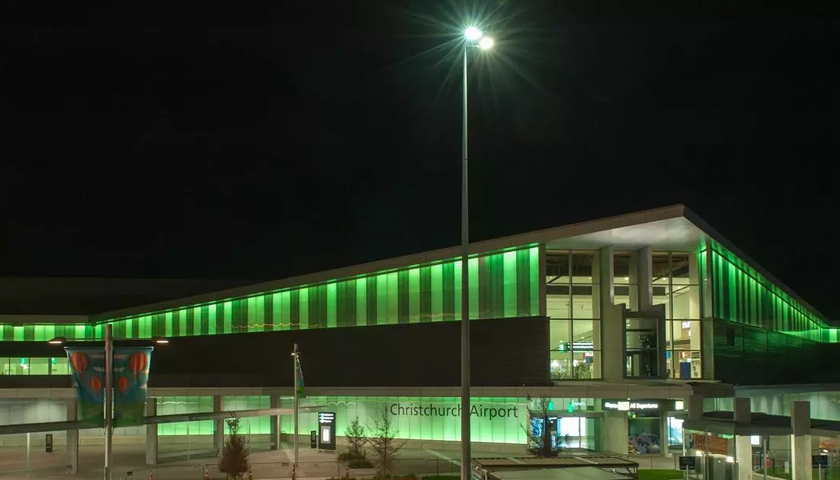
Airbus and Air New Zealand’s partnership on hydrogen-fuelled aviation is entering a new phase by welcoming the country’s key “hydrogen ecosystem” players. The resulting consortium will pave the way to further act upon New Zealand’s – and also the wider aviation industry’s – collective ambition towards decarbonisation. Ultimately, the partners will evaluate the means of deploying hydrogen hubs at airports, starting with the case study at Christchurch. If successful, commercial hydrogen-powered aviation could be extended to cover the entirety of New Zealand’s domestic network. The additional participants to the consortium…

Read More