New Study Finds 73% of the World’s Ocean Protected Areas Are Polluted by Sewage

A new study by the Wildlife Conservation Society (WCS) and the University of Queensland published in Ocean & Coastal Management has found that nearly three out of four of the world’s marine protected areas (MPAs) are polluted by sewage. In the ocean regions most critical for coral reefs and tropical sea life, the problem is even worse: between 87 percent and 92 percent of protected areas are affected, and typical pollution levels inside these zones are ten times higher than in surrounding unprotected waters. Over 16,000 MPAs globally were evaluated in the…

Read More

Equity Must Be Considered in Ocean Governance to Achieve Global Targets by 2030

As the world presses forward with urgency towards reaching global biodiversity and climate targets by 2030, there must be increased attention to center equity in dialogue and practice when designing ocean conservation, adaptation and development interventions.  The world is facing a dual biodiversity and climate crisis. Yet, without focused attention to equity, say a group of researchers and practitioners in a new study published recently in Nature Ecology & Evolution, there are risks for harmful or maladaptive actions that will impact human health and well-being and exacerbate the vulnerability of…

Read More

Endangered Sumatran Tigers On Path To Recovery in UNESCO World Heritage Site

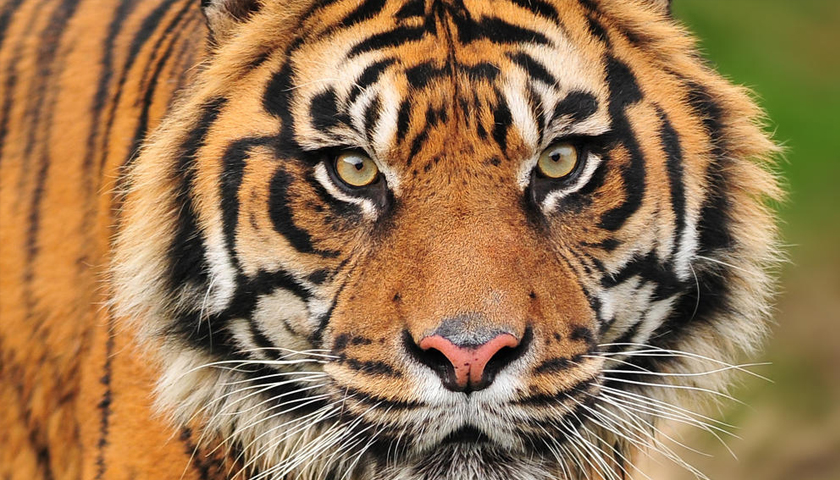
A new scientific publication from WCS (Wildlife Conservation Society) and the Bukit Barisan Selatan National Park Authority looks at the effectiveness of the park’s protection zone and finds that the density of Sumatran tigers has increased despite the continued threat of living in an ‘In Danger’ World Heritage Site. Living only on the Indonesian island of Sumatra, the Critically Endangered Sumatran tiger (Panthera tigris sumatrae) is the only extant sub-species of ’Island tigers’, which includes the now-extinct Javan and Bali tiger. This sub-species is genetically distinct from the other six…

Read More