Advertising of all petrol and diesel cars, hybrid vehicles and SUVs, along with flights, fossil fuel companies and marketing campaigns encouraging excessive consumption of fast fashion will no longer be allowed on Bristol City Council-owned advertising sites following a near-unanimous vote by committee members yesterday (14 September).
Members of the Strategy and Resources Committee voted 8 to 1 in favour of updating the council’s Advertising and Sponsorship Policy in yesterday’s meeting. The changes follow a review of the policy, which explored the potential for introducing restrictions on the promotion of high-carbon products and services.
Under the updated policy, advertisements promoting the following products and/or services will no longer be accepted on council-controlled advertising sites:
- petrol, diesel and hybrid-electric vehicles, as well as all SUV models, including electric SUVs
- flights, airports, cruise holidays and travel agents
- fossil fuel companies and associated brands
- marketing campaigns encouraging excessive consumption of fashion products and trends
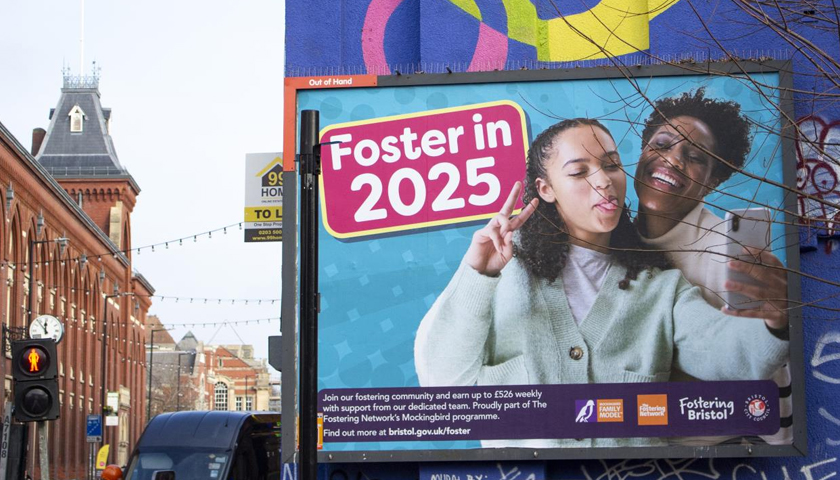
The council manages a significant advertising estate across the city, including bus shelters, digital screens and billboards. The updated policy builds on Bristol’s existing approach to responsible advertising, which already places restrictions on advertising for products such as gambling, payday loans and foods and drink high in fat, salt and sugar.
The decision means that council-controlled advertising spaces will no longer be used to promote products and services which produce disproportionately high levels of carbon emissions. The council has set environmental ambitions to accelerate climate action and nature recovery, particularly with regards to reducing carbon emissions.
Councillor Heather Mack, Deputy Leader of Bristol City Council, said:
“This vote is a win-win for the people of Bristol. By banning the advertisement of fossil fuels and products which produce high carbon emissions on council-owned billboards, bus shelters and digital screens, we can encourage the promotion of more sustainable products which are better for individuals and better for the environment.
“Advertising forces itself upon all of us. Whilst scrolling, whilst walking, whilst waiting for the bus, it has negative impacts on our health and wellbeing as well as the climate, environment and local economy. And it is unsurprisingly the most extractive and damaging industries that are able to spend the most.
“In Bristol we are committed to pushing back on this, so I am delighted that as a council we have today banned the advertising of high-carbon products.
“As the first council to introduce restrictions on the advertising of fast fashion, we will continue to look at how we can keep improving our advertising policy so that our outdoor spaces reflect the positive values of Bristol and the local economy.”
The policy review considered the role advertising can play in shaping behaviour and consumption patterns, alongside the council’s wider commitments to improving public health and supporting environmental sustainability. The review also noted growing interest from local authorities across the UK in using advertising policies to reduce exposure to products that have negative impacts on health and the environment.
The updated policy will now guide future advertising and sponsorship arrangements across the council’s estate.