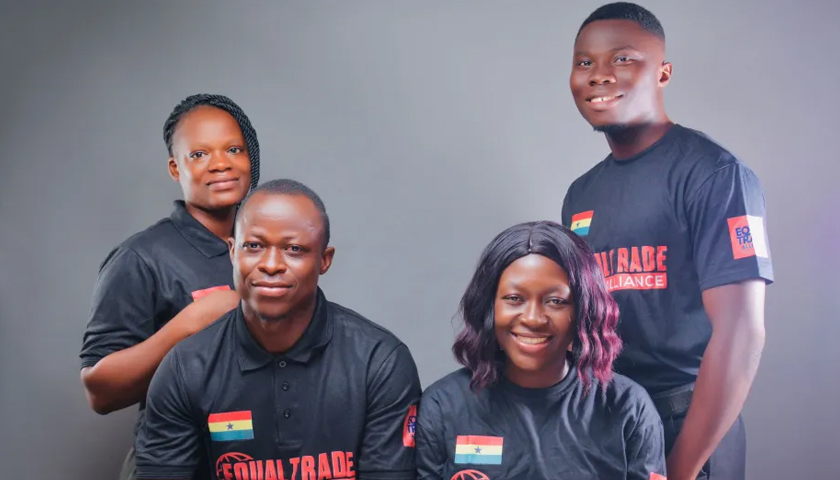
The Equal Trade Alliance (ETA) has surveyed cocoa farmers in Ghana and is now sharing their stories with manufacturers, lawmakers and young people in the West — aiming to drive awareness and lasting change through its campaign: Equal Trade Chocolate Tastes Better. The campaign calls for a fair profit distribution model that gives cocoa farmers more autonomy over pricing and revenue allocation.
Who really gets rich from chocolate?
For decades, Western countries have generated billions of dollars from the trade of raw materials sourced from African nations, while the farmers who produce the essential ingredients receive only a small fraction of the total value. The vast majority of the revenue is shared between other stakeholders in the value chain – including manufacturers, retailers, and transport companies.
For now, the ETA is focused on chocolate. Much of Europe’s cocoa supply is produced by farmers in Ghana and shipped through the port of Amsterdam. This generates tens of billions of dollars in revenue for the chocolate industry – but only around 6% ends up in the hands of the farmers.
“We met a 74 year old woman who works for hours in searing heat gathering cocoa beans then travels miles to sell them. Sometimes it’s a wasted journey and she is told they are not buying that day. Our message is clear: Without the raw materials, there would be no chocolate. There has to be an equal distribution of revenue. Not just to take the farmers out of poverty but to create a secure, sustainable future for Africa itself.”
Max Koffi, Founder, Equal Trade Alliance
Towards Equal Trade in Chocolate
ETA has surveyed farmers on the ground in Ghana and is delivering their stories back to chocolate manufacturers, lawmakers, and – crucially – young people in the West in a bid to drive awareness and change. They have called this initiative Equal Trade Chocolate Tastes Better and its goals are to implement a fair profit distribution model and deliver greater autonomy to Ghanaian cocoa farmers.
Fairtrade only goes so far
The issue of poverty within African farming communities is not new. For many years fair trade initiatives have tried to address the problem by raising prices to consumers and passing the extra profit back to the farmers. There is certainly willingness on the part of consumers in the West to contribute more for the finished products, but ETA believes this model does not provide a sustainable solution.
“Programs like Fairtrade and Rainsforest Alliance are consumer-driven. They may result in an increase in market prices, but they are not addressing the real problem which is structural inequality. Our Equal Trade economic model is, first and foremost, an African initiative. It is about empowering the producers of the raw materials and letting them set the price. Then it is about creating a holistic approach to revenue distribution, where all stakeholders receive their fair share.”
Max Koffi
Making Chocolate Fairer — Together
From its headquarters in The Hague, ETA is well-placed to petition the Dutch government and lobby major manufacturers, but it recognizes that the most powerful driver for change comes from young people. It has established networks within schools and universities both in Africa and the West, and its social media campaigns are all focused on making sure young people understand what is at stake.
The petition for the Equal Trade Chocolate Tastes Better campaign runs until 22 September 2026.
“Our strategy is not to negotiate with the government, but to put them under pressure. Young people are the consumers and decision makers of tomorrow. They hold the key as they have the economic power and the political power. If we have them on our side, then the politicians and manufacturers will have to listen.”
Max Koffi
Join the campaign
To find out more about the Equal Trade Chocolate Tastes Better campaign, visit the website: https://equaltradeglobal.org/initiatives/